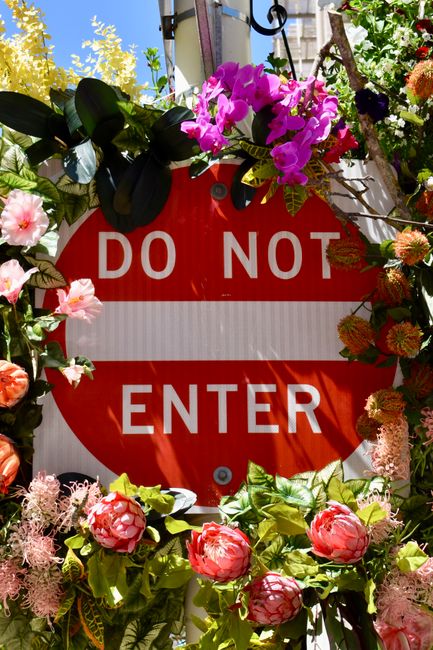
What to know Camden Council rules for floral displays
Posted on 25/09/2026
If you are planning floral displays in Camden, the first thing to understand is that the rules are less about flowers themselves and more about where, how, and for what purpose they are being displayed. A window box on a private sill is one thing. A shopfront arrangement spilling onto the pavement, a memorial display, or wedding flowers in a licensed venue is another. Camden Council rules for floral displays can touch on planning, street use, safety, waste, nuisance, and even accessibility. Sounds a bit much? It can be. But once you break it down, it becomes much easier to manage.
This guide explains what to know about Camden Council rules for floral displays in plain English, so you can avoid awkward surprises, keep your display tidy and compliant, and make better decisions before you spend time and money. Whether you are a florist, venue manager, business owner, or organising flowers for a one-off event, the same basic principle applies: beautiful is good, but beautiful and sensible is better.
To be fair, the small details are usually where people trip up. A display that looks harmless in a room can become a problem once it blocks a doorway, narrows a pavement, drips water, or creates litter. Let's walk through the practical side of it.
Table of Contents
- Why Camden Council rules for floral displays matter
- How the rules work in practice
- Key benefits and practical advantages
- Who this is for and when it makes sense
- Step-by-step guidance
- Expert tips for better results
- Common mistakes to avoid
- Tools, resources and recommendations
- Law, compliance, standards, or best practice
- Options, methods, or comparison table
- Case study or real-world example
- Practical checklist
- Conclusion
- Frequently asked questions
Why Camden Council Rules for Floral Displays Matter
Floral displays can look effortless, but local councils tend to see the full picture: public safety, access for pedestrians, visual clutter, waste disposal, and whether the display sits on private or public land. That is why Camden Council rules for floral displays matter even when the arrangement itself is perfectly harmless. A neat row of roses in a vase may be fine indoors; the same display on a narrow pavement outside a busy shop on a wet day may not be.
In Camden, as in much of London, the streets are busy, the pavements are not always generous, and there is often a lot going on in a small space. Buggies, wheelchairs, delivery bikes, umbrellas, cafe chairs, market traffic, school runs. Everything overlaps. A floral display that feels elegant can quickly become an obstruction if it is not thought through properly.
There is also a reputational side to this. Businesses often use flowers to create a welcoming first impression. If the display looks messy, leaks onto the pavement, or invites complaints, the effect is the opposite of what you wanted. In our experience, people rarely complain about flowers being too pretty. They complain about trip hazards, clutter, and anything that makes a narrow space feel narrower.
The other reason it matters is timing. Planning after the flowers have already been ordered is usually the expensive way to do it. A quick check of the likely restrictions before you commit can save a great deal of faff later. Honestly, it is one of those jobs that seems small until it is suddenly very not small.
Expert summary: Camden Council rules for floral displays are best treated as a practical access-and-safety issue first, and a decorative issue second. If the display stays tidy, contained, non-obstructive, and appropriate to the location, you are usually on much safer ground.
How Camden Council Rules for Floral Displays Works
There is no single rule that covers every floral display in Camden. Instead, several types of expectations can apply depending on the setting. The main question is always: is the display private, commercial, public-facing, temporary, or likely to affect others?
1. Private indoor displays
Flowers inside a home, office, hotel room, or event space are usually the simplest case. If the display is indoors and does not create a hazard, council involvement is less likely. Even then, venue policies may still matter. A wedding venue, for example, may have limits on candle-and-flower combinations, floor arrangements, or what can be attached to walls and fixtures.
2. Shopfront and business displays
Businesses often use floral arrangements in windows, entrances, forecourts, or threshold areas. The key considerations are whether the display blocks access, creates spill risk, or spills onto public land. If a bouquet stand, planter, or decorative arrangement is near the pavement edge, the council may view it through the lens of public safety and access rather than aesthetics.
3. Floral displays on public land or shared space
If your flowers are placed on a pavement, verge, public square, or any space not clearly under private control, the standards become much stricter. You may need permission, or the display may simply be inappropriate without formal approval. That can include temporary event styling, memorials, campaign displays, or branded installations.
4. Event and ceremony floristry
Wedding flowers, funeral tributes, community memorials, and festival arrangements often have a very short life but can still be governed by practical rules. The display may need to account for venue access, fire safety, movement routes, and waste collection. A long aisle arrangement that looks lovely in rehearsal can be awkward if it narrows the route for guests or staff.
5. Seasonal and promotional floral displays
Seasonal displays, such as summer planter installations or festive arrangements, often bring extra attention because they are larger, more visible, and sometimes left in place for longer. If they are not maintained, they can quickly become untidy. A sagging floral arch in the rain is not a great look, let's face it.
So how does it all work in practice? Usually by assessing location, purpose, duration, and impact. That is the common thread. If your display is safe, manageable, and respectful of the space, you are on better footing. If it affects access, creates risk, or looks like it belongs on public ground without permission, expect problems.
Key Benefits and Practical Advantages
Working within Camden Council expectations is not just about avoiding trouble. Done properly, it can actually improve the quality of the floral display and how people respond to it.
- Better public access: A well-placed display keeps pathways clear and helps everyone move comfortably.
- Cleaner presentation: Restrictions often push you toward neater, more intentional styling.
- Fewer complaints: Tidy, sensible displays are less likely to upset neighbours, staff, or passers-by.
- Safer setups: Good planning reduces spillages, blockages, and fragile installations falling over.
- Stronger longevity: Displays protected from foot traffic and weather tend to last longer and look fresher.
- Better budgeting: When you plan around practical limits from the start, you waste less on unsuitable materials or redesigns.
There is also a creative upside. A florist who understands the limits of the space can design more intelligently. For example, a compact arrangement with strong vertical lines may work better than a sprawling low display in a tight entrance. Sometimes the restrained option is the one that makes the arrangement feel more premium.
If you are choosing flowers for an occasion, that applies too. A bouquet from the florist-choice range or a tailored piece from the all flowers collection can be easier to adapt to a space than a very oversized design. Simple, but true.
Who This Is For and When It Makes Sense
Camden Council rules for floral displays are relevant to a wide group of people, not just professional florists. If flowers are part of your day-to-day or event planning, you will probably need to think about them sooner or later.
Business owners and retailers
If you run a cafe, salon, boutique, restaurant, or shop, floral displays can boost curb appeal. They are especially useful in window dressing and seasonal promotions. But if they sit close to entrances or on shared pavement space, you need to stay aware of access and licensing issues.
Event planners and venue teams
Wedding planners, conference organisers, and venue coordinators often need floral displays that look polished but do not interfere with movement, exits, or setup schedules. This is where the rules become part of the event plan, not an afterthought.
Families and individuals
For funerals, memorials, anniversaries, or home celebrations, you may simply want to know what is acceptable at a cemetery, chapel, crematorium, or shared venue. A respectful display matters, but it still needs to fit the rules of the place.
Florists and delivery teams
Florists need to know where arrangements can go, how they are transported, whether they are likely to be left in public-facing areas, and how to advise customers properly. If you are ordering a same-day arrangement, for example, the practical details can make all the difference. A well-packed design from same-day flower delivery in West Hampstead is useful only if the final placement also makes sense for the venue or street setting.
Charities, community groups, and campaign organisers
Public floral tributes, awareness installations, and community displays often involve visibility and emotional meaning. They can be powerful, but they are also the sort of thing that can trigger permissions questions quickly. Best to check first, not after the install is half complete and someone is already waving a clipboard around.
When does it make sense to review the rules? Before buying stock, before confirming a venue layout, and definitely before placing anything outside. That little bit of prep saves headaches later.
Step-by-Step Guidance
If you want to approach Camden Council rules for floral displays sensibly, use this practical process. It is straightforward enough, but the order matters.
- Identify where the display will sit. Is it indoors, at a private property, in a shop window, at a venue, or on public-facing land?
- Define the purpose. Is this decorative, ceremonial, promotional, memorial, or functional?
- Check access routes. Make sure doorways, pavements, ramps, and emergency exits remain clear.
- Think about stability. Will the arrangement topple, leak, or spread if someone brushes past it?
- Consider weather and maintenance. Outdoor flowers need anchoring, watering, and sensible materials.
- Review venue or landlord rules. Private permission does not always mean public permission.
- Plan waste removal. Drooping stems, damaged packaging, and soaked foam should not be left behind.
- Use the right scale. Start smaller if you are unsure; you can always build up later.
- Document your plan for event setups. A quick layout sketch can prevent misunderstandings on the day.
Here is the easy test we use in practice: if you had to explain the display to someone unfamiliar with the event, could you describe why it is safe, where it sits, and how long it stays there? If not, the plan is not finished yet.
A real-world example: a florist preparing wedding table flowers may choose compact low arrangements, then use a few taller accent pieces only where circulation space is generous. That avoids guests leaning around stems all evening, which sounds trivial until you are the one holding a drink and trying not to knock over a vase.
Expert Tips for Better Results
Some of the best floral displays are not the biggest ones. They are the ones that feel deliberate, calm, and well suited to the environment. That is especially true in Camden, where the setting itself often does a lot of the visual work.
Keep the footprint smaller than you think
Flowers have a habit of looking tiny in a warehouse and enormous in a doorway. Err on the side of a smaller footprint when the space is tight. You can always add height or colour without taking over the walkway.
Choose containers that behave
Heavy vases, secured bases, and spill-resistant containers are your friends. If a display is likely to be bumped, avoid anything top-heavy or overly delicate. A tipped vase on a busy pavement is nobody's idea of a good afternoon.
Match the design to the environment
Soft pastel bouquets work beautifully in a quiet indoor setting. But for a busy entrance, stronger structure and bolder stems may hold up better visually and physically. If you need a more formal finish, options like luxury flowers or carefully chosen flowers in a vase can look refined without needing a massive installation.
Consider colour and symbolism carefully
In some settings, colour choice matters more than people realise. White often suits memorials, while bright mixed colours can feel more celebratory. If you are planning a tribute, a wreath, or a remembrance design, the tone should suit the occasion rather than simply following trend.
Think about the journey, not just the finish
How will the flowers get from florist to venue? How long will they wait before installation? Will they sit in a warm car, a hallway, or outdoors before the main moment? Time matters. A bouquet can look immaculate at 9am and a little tired by 3pm if the logistics are poor. We have all seen it happen.
Use scent thoughtfully
Scented flowers are lovely, but they are not always ideal in enclosed spaces or for guests with sensitivities. A highly fragrant display can dominate a small room. Sometimes a gentler scent is the more elegant choice.
Common Mistakes to Avoid
Most issues with floral displays are avoidable. Usually it is not the flower choice that causes the problem. It is the placement, size, or lack of planning.
- Ignoring access routes: A display that blocks the entrance or narrows a path is asking for trouble.
- Assuming private permission is enough: A venue saying yes does not automatically mean the council will have no concerns if public space is affected.
- Overloading the area: Too many arrangements can make a space look cluttered and create movement issues.
- Using unstable mechanics: Weak stands, flimsy buckets, or loose wiring are a poor combination.
- Forgetting maintenance: Wilted flowers, fallen petals, and dripping water quickly change the impression.
- Leaving waste behind: Packaging and trimmings should be cleared away promptly.
- Choosing the wrong scale for the venue: A giant display in a small room feels bossy, not beautiful.
- Not checking event timings: If flowers are installed too early, they may be tired by the time guests arrive.
A small but common oversight is assuming that "temporary" means "no planning needed." Temporary still counts. Often more so, because temporary setups get less attention and can be thrown together at the last minute. That is when accidents happen.
Tools, Resources and Recommendations
You do not need a full project-management system to handle floral display planning, but a few simple tools make life much easier.
- A basic floor plan or sketch: Useful for tables, aisles, entrances, and standing displays.
- Measuring tape: Essential if you need to check width, height, or clearance.
- Stable containers and stands: Helps with safety and presentation.
- Waterproof protection: Particularly useful for indoor floors, tables, and transport.
- Scissors, secateurs, and clean-up supplies: Small tools, big difference.
- Flower care basics: Fresh cuts, clean water, and temperature awareness help displays last longer.
If you are planning a more personal arrangement, it can help to choose from collections that already suit the occasion. For example, a birthday display can be easier to tailor from birthday flowers, while a sympathy arrangement may be better selected from sympathy flowers or one of the more structured tribute styles. For wedding-related floral work, the dedicated weddings range offers a useful starting point.
One other thing worth saying: good flower care is part of compliance in a practical sense. Fresh flowers are less likely to shed, collapse, or create mess. If you want your display to stay presentable, a little care goes a long way. The flower care guidance can help with the basics.
Law, Compliance, Standards, or Best Practice
We should be careful here. Camden Council rules for floral displays are not usually a single neat list that covers every possible situation. In practice, they sit alongside broader rules and expectations about public safety, obstruction, nuisance, land use, and venue management. The exact requirements depend on location and context.
The safest approach is to treat floral displays as a risk-and-access issue as much as a decorative one. If an arrangement could block a path, reduce visibility, interfere with cleaning, create slippery surfaces, or make access difficult, it deserves a closer look. That is true whether the display is a shopfront feature, event decor, or a tribute display.
Best practice usually includes the following:
- keeping pavements and exits clear
- avoiding trip hazards and unstable bases
- making sure decorations do not obstruct signage or sightlines
- using fire-safe judgement around candles, fabrics, and floral mechanics
- removing waste promptly
- seeking permission where public land or shared spaces may be involved
If your display is connected to a formal event, venue rules can be just as important as any council expectations. Many venues have their own limits on adhesive fixing, floor protection, wet arrangements, and setup times. It is boring admin, yes, but it saves a lot of last-minute scrambling.
For memorial and funeral work, sensitivity matters as much as compliance. A respectful design, such as a wreath, spray, or tribute arrangement, should be appropriate in scale and tone. If you are arranging this kind of order, a dedicated option like funeral flowers or a more specific tribute piece can make the process easier and more dignified.
Options, Methods, or Comparison Table
Different floral display methods work better in different Camden settings. Here is a simple comparison to help you decide what fits the job.
| Display method | Best for | Strengths | Things to watch |
|---|---|---|---|
| Small vase arrangement | Indoors, counters, tables, windows | Easy to move, tidy, versatile | Can tip if poorly placed; needs stable water control |
| Planter or container display | Entrances, seasonal fronts, semi-outdoor areas | Looks polished and contained | Weight, drainage, and space clearance matter |
| Floor-standing arrangement | Events, ceremonies, focal points | Visual impact, flexible styling | May obstruct movement or create trip risk |
| Wall or shelf display | Small venues, tight interiors | Saves floor space, can feel elegant | Fixings must be secure and venue-approved |
| Outdoor tribute or memorial | Public-facing remembrance, community moments | Strong emotional presence | Weather, permissions, maintenance, and waste removal |
The best option is usually the one that solves the space problem first and the visual problem second. That sounds backwards, but it really works. Once the practical layout is right, the design feels calmer and more expensive-looking anyway.
Case Study or Real-World Example
Here is a realistic example. A small Camden cafe wants to run a spring promotion with fresh flowers near the entrance. At first, the team imagines a large decorative installation with baskets, trailing stems, and a signboard. It looks lovely on mood boards. In the actual doorway, though, it would leave very little room for customers, and the pavement outside is already busy at lunchtime.
Instead, they choose two compact arrangements in weighted containers, place them just inside the window line, and use a single matching display on a side counter. The flowers still create a seasonal feel, the entrance remains clear, and there is no need for awkward repositioning when deliveries arrive. A passer-by can see the display. Staff can still work. No one has to side-step a bucket on the way to get a flat white.
For a wedding in a Camden venue, the same thinking applies. A florist might plan soft table arrangements, one statement piece for the ceremony backdrop, and smaller coordinating designs for side areas. The result feels coordinated without crowding the room. The couple gets the look they wanted, and the venue team does not spend the afternoon checking whether guests can still walk between tables without performing a minor obstacle course.
That is really the point of Camden Council rules for floral displays in practice: good flowers are not just beautiful, they are well behaved. Bit of a dull phrase, maybe. But true.
Practical Checklist
Use this checklist before you finalise any floral display in Camden.
- Have I identified the exact location of the display?
- Is the area private, shared, or public-facing?
- Will the display block access, exits, ramps, or foot traffic?
- Is the arrangement stable and unlikely to spill or fall?
- Have I checked venue, landlord, or site-specific rules?
- Do I need permission for any part of the setup?
- Will the flowers hold up for the full event or display period?
- Have I planned cleaning, watering, and waste removal?
- Is the scale appropriate for the space?
- Does the design suit the occasion, tone, and audience?
- Have I considered weather exposure if the display is outdoors?
- Do I have a backup plan if the display needs to be reduced quickly?
If you can tick all of those boxes, you are in a much stronger position. Not perfect, maybe, but solid. And solid is what most people need.
Get a free quote today and see how much you can save.
Conclusion
What to know Camden Council rules for floral displays comes down to one simple idea: make the display beautiful without making life harder for the people around it. That means checking where it sits, who it affects, and whether it stays safe, tidy, and proportionate to the space. For private interiors, the process is usually straightforward. For shopfronts, events, memorials, or anything that touches shared space, a little extra care makes all the difference.
If you remember only one thing, let it be this: plan the space before you plan the stems. Once the practical side is right, the flowers can do what they do best-lift the room, soften the moment, and make a place feel cared for. And that, honestly, is the bit people remember.
Frequently Asked Questions
Do Camden Council rules for floral displays apply to private homes?
Usually the council is less involved with floral displays inside private homes, provided they do not create a hazard or affect shared spaces. If the display is near a communal entrance, balcony edge, or shared pavement area, the context changes.
Can I put flowers outside my shop in Camden?
Possibly, but you need to think carefully about whether the display affects pavement access, safety, or public space. A small, well-contained arrangement may be fine in some situations, while larger or freestanding displays may need permission or may not be suitable at all.
Do I need permission for a floral display at a wedding venue?
Not always from the council, but the venue may have its own rules, and those are often the first place to check. Venue policies commonly cover fixing methods, layout, fire safety, timing, and how much floor space a display can use.
What type of floral display is easiest to manage under local rules?
Small, stable, indoor arrangements are usually the easiest. Table bouquets, vase arrangements, and wall-adjacent designs that do not block circulation are generally simpler than large floor installations or anything extending into public space.
Are memorial flower displays treated differently?
They can be, depending on the site and the scale of the tribute. A respectful memorial display may be welcomed in some places but still needs to fit site rules, avoid obstruction, and be removed or maintained properly.
What are the most common problems with floral displays in Camden?
The most common issues are blocking access, unstable containers, excessive clutter, water spills, and leaving waste behind. A display may look lovely and still be unsuitable if it makes a narrow space harder to use.
How long can a floral display stay up?
That depends on where it is and who controls the space. Indoor event flowers may stay up for a day, while seasonal business displays could last longer if maintained. The key is not the clock itself, but whether the display remains safe, tidy, and appropriate for the period it stays there.
Can I use large flower stands or arches in Camden?
Yes, sometimes, but large structures need careful planning. They are more likely to raise questions about safety, stability, access, and permission. If they are near public routes or entrances, you should treat them as a serious installation, not just decoration.
What flowers work best for formal displays?
That depends on the event, but roses, lilies, carnations, chrysanthemums, and mixed seasonal flowers are common choices because they can be styled in many ways. For a more controlled look, structured designs and compact containers often work better than loose, sprawling arrangements.
How can I make a floral display look premium without overdoing it?
Focus on shape, balance, and quality rather than size alone. A restrained arrangement in a good container often feels more refined than a crowded display. Clean presentation, fresh blooms, and good placement matter more than sheer volume.
What should I do if I am unsure whether my floral display is allowed?
Check the location rules first, then speak to the venue or property manager before setting anything up. If the display may affect public access or shared space, get clarity early. It is much easier to adjust a design than to dismantle one after installation.
Is same-day flower ordering suitable for Camden events?
Yes, if you need a quick turnaround, same-day or next-day options can be useful. Just remember that delivery speed is only one part of the job; the display still needs to suit the venue, space, and occasion once it arrives.